01PlanScope, drawings and documentation
02CoordinateAuthority comments and conditions
03EstablishPeople, vehicles, signs and devices
04ManageLive operation, changes and close-out
01
One scope from the work method to the worksite
The TMP and TMD should reflect the actual activity, road environment, staging and people affected. Where required, the same brief can also cover CAR or WAP information, authority responses, establishment, authorised changes and uplift.
- Confirm whether the request is for planning only or planning with field delivery.
- Keep the submitted documents and the version intended for site aligned.
02
Information needed before the controls are selected
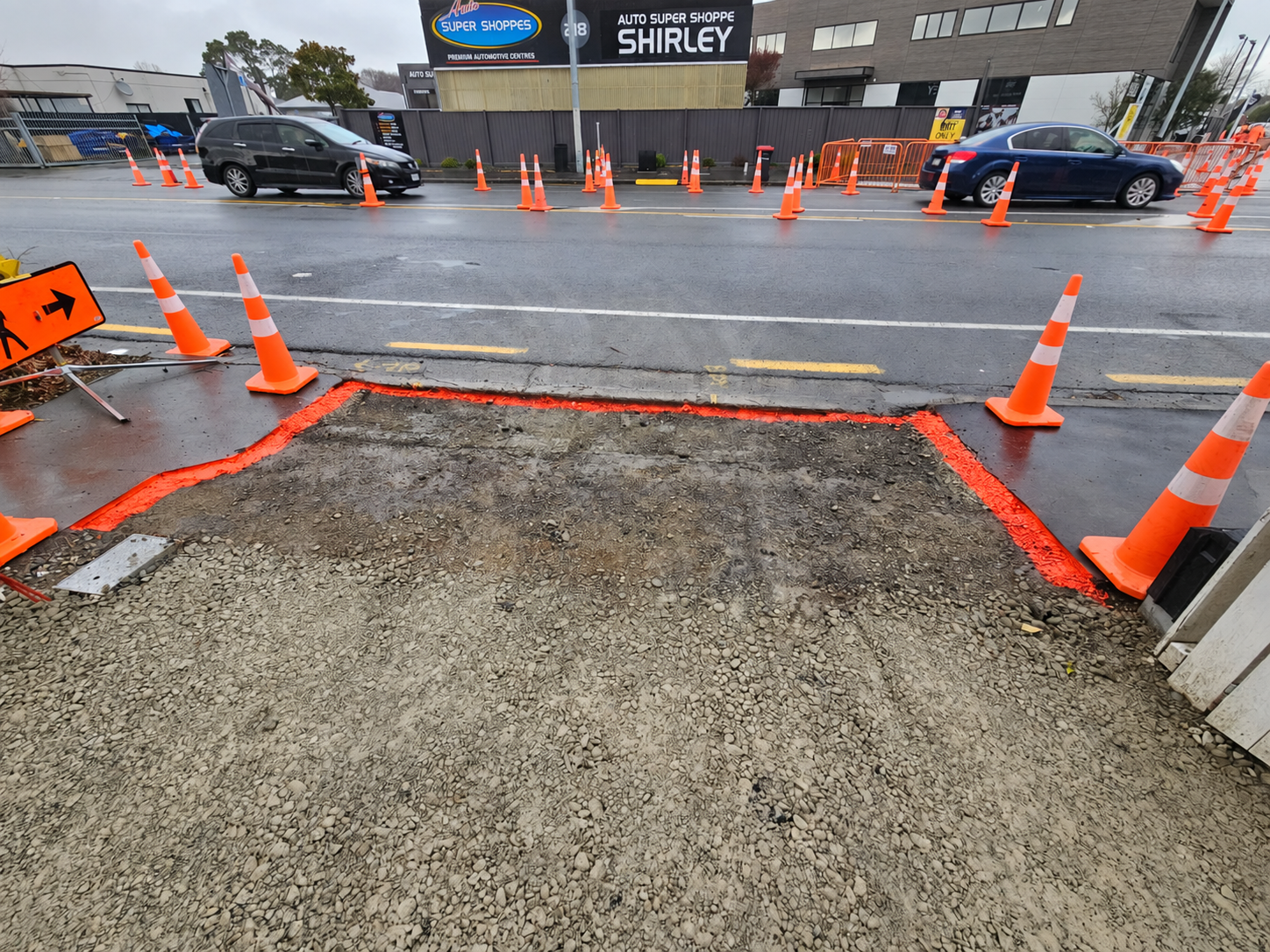
Send the exact location, controlling authority, dates, hours, work method, staging, plans and site photos. Include property access, walking, cycling and vehicle movements that the work may affect.
- Identify the people, equipment and travel requirements if field delivery is requested.
- Include existing CAR, WAP or authority comments so the scope is not based on an obsolete version.
03
Start with the site facts, not a generic layout
Send the job details once. The first response can identify the planning pathway, missing inputs and whether the on-site component can be scoped with the documents.
- Attach drawings or mark-ups that show the work area and access points.
- State the target work window and the practical outcome required.